
"Discovery roaster"
200 article(s) found

The concept of boutique coffee classification of boutique coffee
Boutique Coffee beans Fine Coffee (specialty coffee) is also called specialty coffee selection coffee. It refers to coffee made from a small number of raw beans with excellent taste grown in an ideal geographical environment. Depending on the special soil and climatic conditions in which they grow, they have outstanding flavor. After strict selection and classification, this kind of coffee has a strong texture.

Description of flavor, taste and aroma characteristics of high-quality coffee beans in San Juan, Honduras
There are six main coffee producing areas in Honduras, including Santa Barbara, Copan, Ocotepeque, Lempira, La Paz and El Paraiso in the southeast. Honduran coffee tastes less acidic, while caramel is more sweet. The taste of coffee from these five different producing areas is also slightly different, some slightly sour.

How to make Panamanian Rosa Coffee? how much is a cup of Panamanian rose coffee?
Professional baristas Please follow the Coffee Workshop (Wechat official account cafe_style) [Rose Summer seed] one of the most expensive types of coffee in the world. When it comes to rose summer beans, you have to mention the emerald estate in Panama. In addition to the world-famous summer roses, Jade Manor has repeatedly created amazing transaction records. Daniel is the first coffee to find the unique flavor of rose summer by cup test.

A brief introduction to the flavor, taste and aroma characteristics of Honduran coffee beans
The term "fine coffee" was first put forward by Ms. Knudsen of the United States in Coffee and Tea magazine. At that time, Ms. Knudsen, as a coffee buyer at B.C. Ireland in San Francisco, was very dissatisfied with the neglect of the quality of raw coffee in the industry, and even some big roasters mixed a large amount of Robesda beans in the comprehensive beans, so she put forward the concept of boutique coffee.
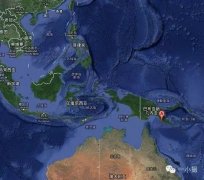
Coffee cultivation in Papua New Guinea, the hometown of the Bird of Paradise
The term "fine coffee" was first put forward by Ms. Knudsen of the United States in Coffee and Tea magazine. At that time, Ms. Knudsen, as a coffee buyer at B.C. Ireland in San Francisco, was very dissatisfied with the neglect of the quality of raw coffee in the industry, and even some big roasters mixed a large amount of Robesda beans in the comprehensive beans, so she put forward the concept of boutique coffee.
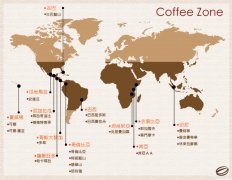
Coffee cultivation in Papua New Guinea, the hometown of the Bird of Paradise
The term "fine coffee" was first put forward by Ms. Knudsen of the United States in Coffee and Tea magazine. At that time, Ms. Knudsen, as a coffee buyer at B.C. Ireland in San Francisco, was very dissatisfied with the neglect of the quality of raw coffee in the industry, and even some big roasters mixed a large amount of Robesda beans in the comprehensive beans, so she put forward the concept of boutique coffee.
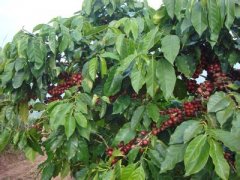
An obvious description of the flavor, taste and aroma characteristics of Xido coffee beans in San Juan, Honduras
There are six main coffee producing areas in Honduras, including Santa Barbara, Copan, Ocotepeque, Lempira, La Paz and El Paraiso in the southeast. Honduran coffee tastes less acidic, while caramel is more sweet. The taste of coffee from these five different producing areas is also slightly different, some slightly sour.

Costa Rican diamond series micro-batch black honey treated coffee beans Costa Rican coffee export volume
For more information on coffee beans, please follow the coffee workshop (Wechat official account cafe_style). According to Costa Rican government data, Costa Rica exported 29147 bags of coffee (60 kg each) in November 2020, an increase of nearly 85% compared with 15796 bags in the same period last year, and exports increased for the sixth consecutive month.

Mixed aroma San Juan, Honduras, Xido boutique coffee beans cultivation situation, geographical location, climate sea
For coffee production, the geographical conditions of Honduras are no less than those of its neighboring coffee-producing countries such as Guatemala and Nicaragua. There are 280000 hectares of coffee plantations in Honduras, mainly small coffee plantations, most of which are less than 3.5ha. These coffee plantations account for 60% of the total coffee production in Honduras. In the coffee garden, because the planting land belongs to
Extremely balanced San Juan, Honduras Xido boutique coffee beans grind degree of baking degree treatment method
High-quality coffee in Honduras uses water washing to deal with coffee beans, usually after soaking, when the defective fruit will surface, it can be discarded first. Then put the good fruit into the fruit peeling machine and peel off the peel with the rotating force of the machine. Peeled fruits are screened by machines to select fruits of high quality. Usually the bigger.

Special topic on Rose Summer | how to make a good cup of Rose Summer
Professional baristas Please follow the Coffee Workshop (Wechat official account cafe_style) [Rose Summer seed] one of the most expensive types of coffee in the world. When it comes to rose summer beans, you have to mention the emerald estate in Panama. In addition to the world-famous summer roses, Jade Manor has repeatedly created amazing transaction records. Daniel is the first coffee to find the unique flavor of rose summer by cup test.

Description of flavor and aroma characteristics of San Juan Xido boutique coffee beans with large particle shape
For coffee production, the geographical conditions of Honduras are no less than those of its neighboring coffee-producing countries such as Guatemala and Nicaragua. There are 280000 hectares of coffee plantations in Honduras, mainly small coffee plantations, most of which are less than 3.5ha. These coffee plantations account for 60% of the total coffee production in Honduras. In the coffee garden, because the planting land belongs to
The large granule shape of San Juan Xido boutique coffee beans in Honduras: history, development, history and culture
For coffee production, the geographical conditions of Honduras are no less than those of its neighboring coffee-producing countries such as Guatemala and Nicaragua. There are 280000 hectares of coffee plantations in Honduras, mainly small coffee plantations, most of which are less than 3.5ha. These coffee plantations account for 60% of the total coffee production in Honduras. In the coffee garden, because the planting land belongs to

A brief introduction to the market price of sweet San Juan Xido boutique coffee beans in Honduras
Honduran coffee seems strange to many coffee drinkers. When it comes to coffee production, the geographical conditions of Honduras are no less than those of neighboring coffee-producing countries such as Guatemala and Nicaragua. However, in the past, Honduras was less well-known in the consumer market because it did not have strong support in the handling and transportation of raw beans. But in recent years, the country has become extremely

A brief introduction to the planting market price of San Juan Xido boutique coffee beans with mixed aroma in Honduras
High-quality coffee in Honduras uses water washing to deal with coffee beans, usually after soaking, when the defective fruit will surface, it can be discarded first. Then put the good fruit into the fruit peeling machine and peel off the peel with the rotating force of the machine. Peeled fruits are screened by machines to select fruits of high quality. Usually the bigger.
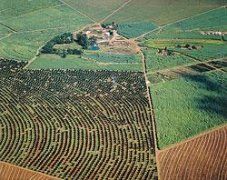
Planting situation of San Juan Xido boutique coffee beans with large particle shape, geographical location gas
The granules of coffee beans in Honduras are large in shape, uniform in size and glossy in color. In order to facilitate harvesting, farmers will prune the coffee trees to no more than 150 centimeters, because if they grow too high, they have to set up ladders to pick, which is not only time-consuming, but also may damage the trees by bending branches. As the ripening period of each fruit of the coffee bean is different, it is necessary to keep the coffee bean good.

Ethiopian Coffee Variety Daquan introduces what kind of coffee is the local native heirloom?
If you are reading about Ethiopian coffee production soon, you will begin to see the word heirloom. Although it is difficult to find a true definition of the phrase, in Ethiopia it is used as a general term for many wild or genetically undefined varieties in the country. For the third wave of coffee lovers, these strange and rare varieties are exciting to try novel flavors.

The planting market price of San Juan Xido boutique coffee beans with large granule shape is simple.
The granules of coffee beans in Honduras are large in shape, uniform in size and glossy in color. In order to facilitate harvesting, farmers will trim the coffee trees to no more than 150 centimeters, because if they grow too high, they have to set up ladders to pick, which is not only time-consuming, but also may damage the trees by bending branches. As the ripening period of each fruit of the coffee bean is different, it is necessary to keep the coffee bean in good condition.

A brief introduction to the market price of well-balanced San Juan Xido boutique coffee beans in Honduras
Hongduras coffee bean particles are large in shape, uniform in size, uniform in color and glossy. In order to facilitate harvesting, farmers will trim the coffee trees to no more than 150 centimeters, because if they grow too high, they have to set up ladders to pick, which is not only time-consuming, but also may damage the trees by bending branches. As the ripening period of each fruit of the coffee bean is different, it is necessary to keep the coffee bean good.

Coffee varieties | Why Columbia Coffee Research Center attaches so much importance to hybrid coffee varieties
As far as coffee producers are concerned, F1 hybrids tend to be high-quality, rust-proof and high-yielding varieties-the golden trio. However, there is only one problem: their procurement is extremely difficult and expensive. However, the Starmaya variety can provide a solution. It is still in the final stages of testing, but it turns out that this F1 can solve many problems in the coffee industry: rust, short coffee.